
Facet joint osteoarthritis (OA) is a common driver of chronic lower back pain. Traditional options, such as pain pills, steroids, radiofrequency ablation, or surgery, often focus on short-term symptom relief. Regenerative medicine, especially mesenchymal stem cells (MSCs), aims to address the underlying degeneration. The featured study evaluated donor-derived, allogeneic bone marrow–derived MSCs injected into painful facet joints, reporting clinically meaningful improvements in pain and function with a favorable safety profile over follow-up.
Facet joints link the vertebrae and control spinal motion. When their cartilage wears down, inflammation and pain follow, often limiting bending, twisting, and daily activities. Conventional care can reduce symptoms but doesn’t rebuild tissue. MSCs are being studied because they can modulate inflammation and support repair.
MSCs release bioactive signals that can calm inflammatory pathways, encourage local repair responses, and improve the joint environment. In facet OA, this can translate into less swelling, better lubrication, and smoother motion.
This study evaluated whether donor-derived, allogeneic bone marrow–derived mesenchymal stem cells could reduce pain and improve function in people with facet joint osteoarthritis, a common source of chronic low back pain.
Researchers injected allogeneic (cells taken from a donor) MSCs directly into painful facet joints and followed participants for safety and outcomes over time. Overall, patients experienced meaningful pain reduction and improvements in daily activities and mobility, with no major safety issues reported. Imaging findings were consistent with reduced inflammation and potential cartilage preservation in some cases.
These results suggest that allogeneic MSC therapy may offer a promising, minimally invasive option for facet OA for those seeking alternatives to surgery or repeated steroid injections. While this trial used allogeneic cells for scalability and consistency, autologous MSCs (cells from a patient’s own bone marrow) may offer superior long-term outcomes in certain settings due to better immunologic compatibility and viability.
Taken together, the evidence supports the continued investigation of MSC therapies as a way to relieve pain and restore function in facet joint OA.
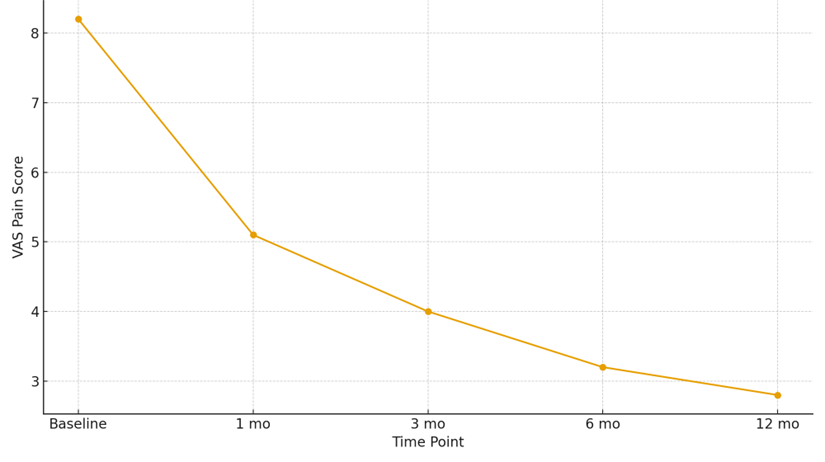
Figure 1. Trend of decreasing pain scores following MSC therapy (illustrative).
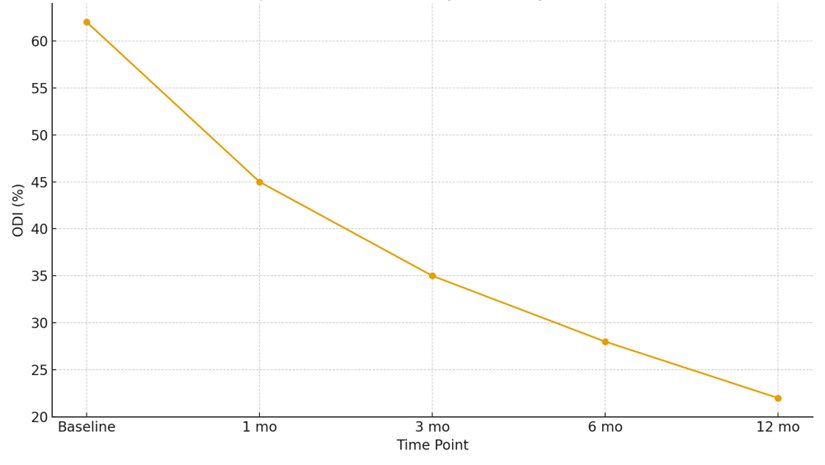
Figure 2. Trend of improved functional scores over time (illustrative).
| Treatment | Mechanism | Duration of Relief | Addresses Root Cause? |
| NSAIDs | Reduce inflammation | Days to weeks | No |
| Steroids | Suppress immune activity | Weeks to months | No |
| Radiofrequency Ablation | Temporarily disrupts pain signals | 6 – 12 months | No |
| MSC Therapy | Modulates inflammation, supports tissue repair | 12+ months (varies) | Yes |
Multiple studies in spine and joint conditions have reported clinically meaningful improvements with MSCs, including pain reduction, functional gains, and imaging signals consistent with better joint health. Trial designs, dosing, and cell sources vary, but the overall trend supports continued, rigorous investigation.
Allogeneic MSCs (donor cells): Useful for research and scalable production, offering batch consistency and on-demand availability. However, even with MSCs’ immune-privileged tendencies, donor-recipient differences can limit persistence and functional durability in some contexts.
Autologous MSCs (your own cells): Harvested from your bone marrow, these cells are inherently compatible with your immune system. This can translate into better cell survival, signaling, and regenerative impact. Many clinicians also favor autologous approaches for long-term musculoskeletal conditions to minimize sensitization risks and to maximize biologic ‘fit.’
Why Regenexx Cayman: Regenexx focuses on autologous, expanded-cell protocols. Cells are cultured to increase the active MSC population and precisely delivered under advanced guidance. This personalized approach is designed to enhance potency, durability, and safety—key attributes for complex joints like the spine’s facets.
If your own cells could be optimized and precisely delivered to the joints causing your back pain, would you still choose treatments that only numb symptoms?
Facet joint osteoarthritis doesn’t have to mean a lifetime of pain or invasive surgery. Advances in regenerative medicine are creating new possibilities, especially with personalized approaches using your body’s own cells.
If you’re exploring evidence-based regenerative options, Regenexx Cayman specializes in autologous stem cell therapies designed to target the root cause of pain. If you’re ready to explore a more advanced, non-surgical path to relief, our team is here to help you understand your options.
Contact Regenexx Cayman today to schedule a consultation and find out if stem cell therapy is right for you.